
Optimal Timing for Storm Restorations
Understanding the optimal timing for storm restorations is essential for effective repairs and minimizing potential damage. Weather patterns, seasonal trends, and regional climate conditions influence when storm restoration projects are most feasible and efficient.
Spring and summer months are more prone to thunderstorms and severe weather, making early planning crucial.
Immediately after storms, restoration efforts are most effective before additional weather events occur.
Late fall and winter may offer fewer storms, allowing for more comprehensive repairs and inspections.
Georgetown experiences weather fluctuations that influence the best times for restoration projects.

Assessing damage promptly after storms ensures timely restoration efforts.

Effective repairs are best performed in dry, stable weather conditions.
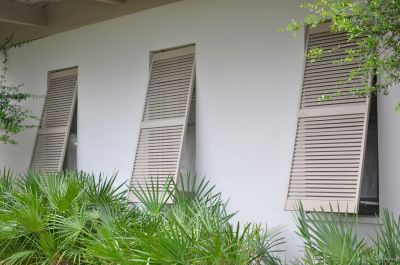
Pre-storm inspections help identify vulnerabilities before severe weather occurs.

Ways to make Storm Restorations work in tight or awkward layouts.
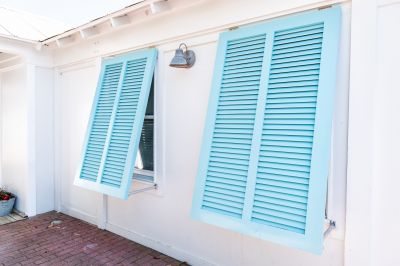
Popular materials for Storm Restorations and why they hold up over time.
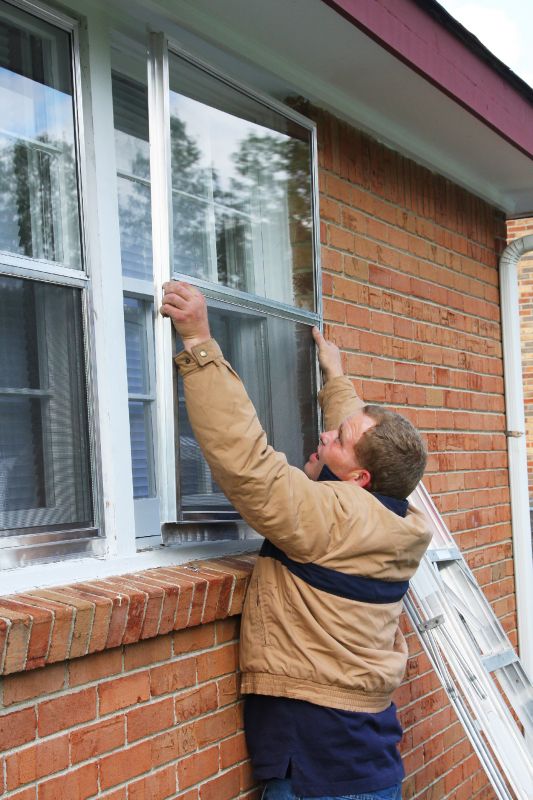
Simple add-ons that improve Storm Restorations without blowing the budget.
| Season | Optimal Timing for Storm Restorations |
|---|---|
| Spring | Early spring before peak storm season |
| Summer | During or immediately after storms |
| Fall | Late fall, post-peak storm activity |
| Winter | Off-peak season with fewer storms |
| Pre-Storm | Preparation period before storm season |
Storm restorations involve repairing damage caused by severe weather events such as high winds, hail, and heavy rain. Proper timing ensures that restoration efforts are efficient, cost-effective, and durable. Delayed repairs can lead to further damage, increased costs, and longer recovery times. In regions like Georgetown, TX, understanding seasonal weather patterns helps determine the best windows for implementing restoration projects.
Statistics indicate that the majority of storm-related damages occur during peak storm seasons, which in Georgetown typically span late spring through summer. Conducting inspections and repairs during optimal weather windows minimizes exposure to additional weather-related risks and ensures the longevity of restoration work.
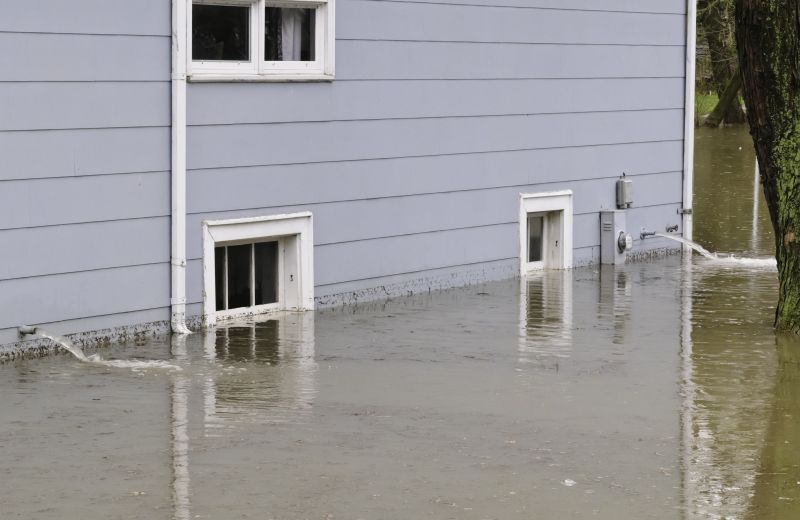
Timely repairs prevent further deterioration of building structures.
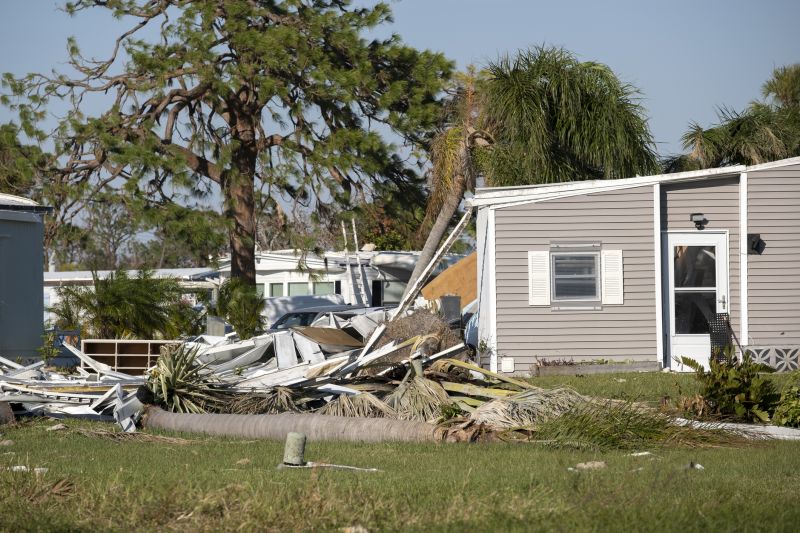
Rapid response minimizes long-term damage and safety hazards.

Pre- and post-storm assessments guide restoration planning.
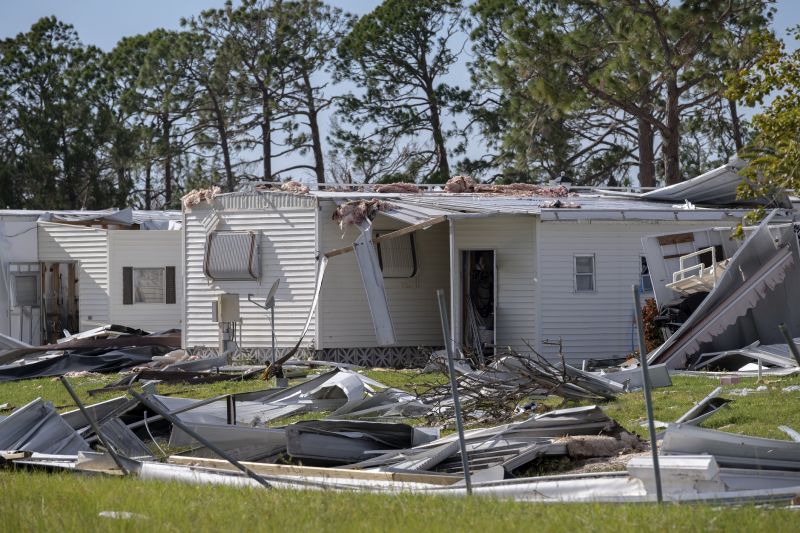
Implementing durable repairs suited to regional weather conditions.
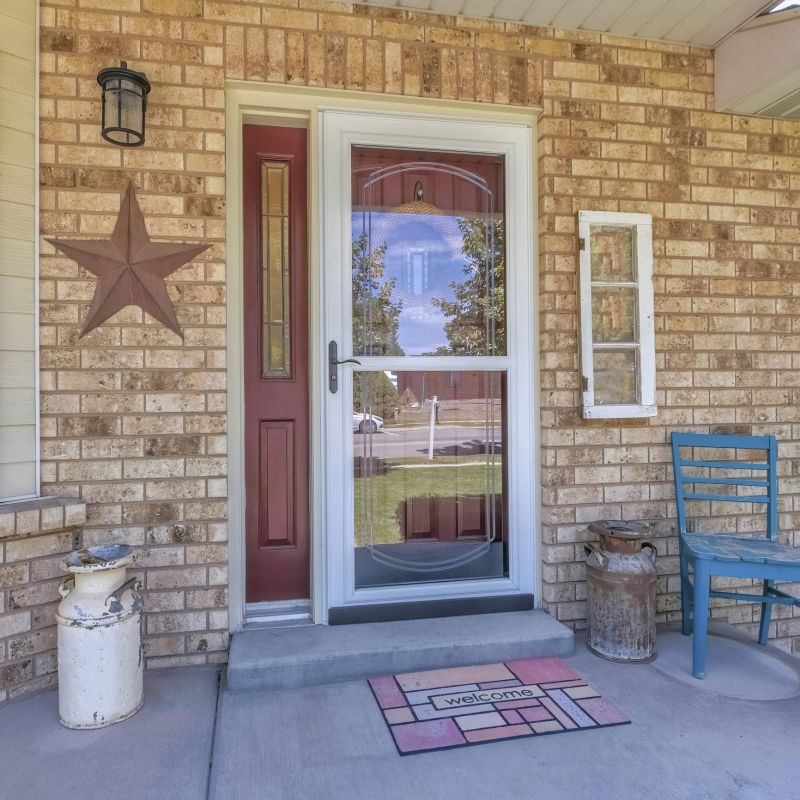
High-end options that actually feel worth it for Storm Restorations.

Finishes and colors that play nicely with Storm Restorations.

Little measurements that prevent headaches on Storm Restorations day.
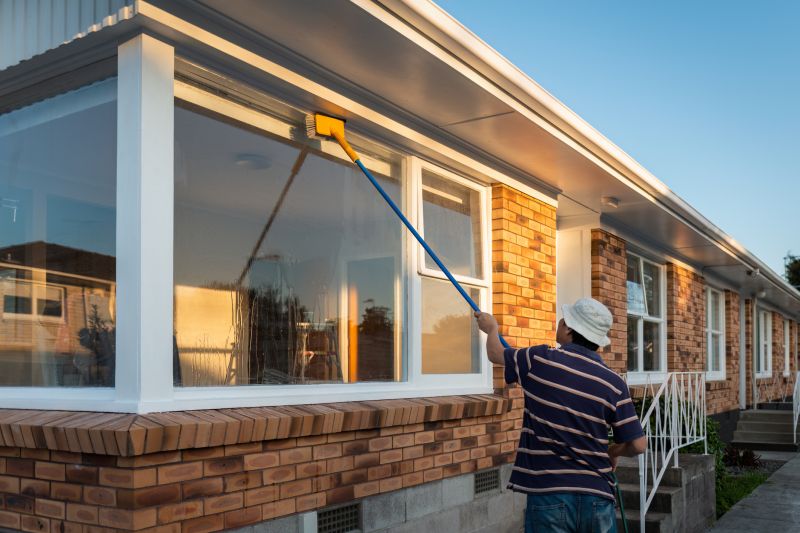
A 60-second routine that keeps Storm Restorations looking new.
Individuals interested in storm restoration services in Georgetown are encouraged to fill out the contact form. Proper timing and preparation can significantly impact the success and durability of restoration efforts, helping to protect property and reduce future risks.